
Steaming Bread in Plastic Bags: A Hidden Health Risk Restaurants Should Not Ignore
Many restaurants steam bread inside the plastic bags it comes in—a common practice with hidden health risks. This article explains how heat and steam can cause plastics to release harmful chemicals and microplastics into food, why “food-safe” doesn’t always mean “steam-safe,” and what safer alternatives restaurants should be using to protect customers and staff.
PUBLIC AWARENESS
Chef Tony
12/23/20252 min read
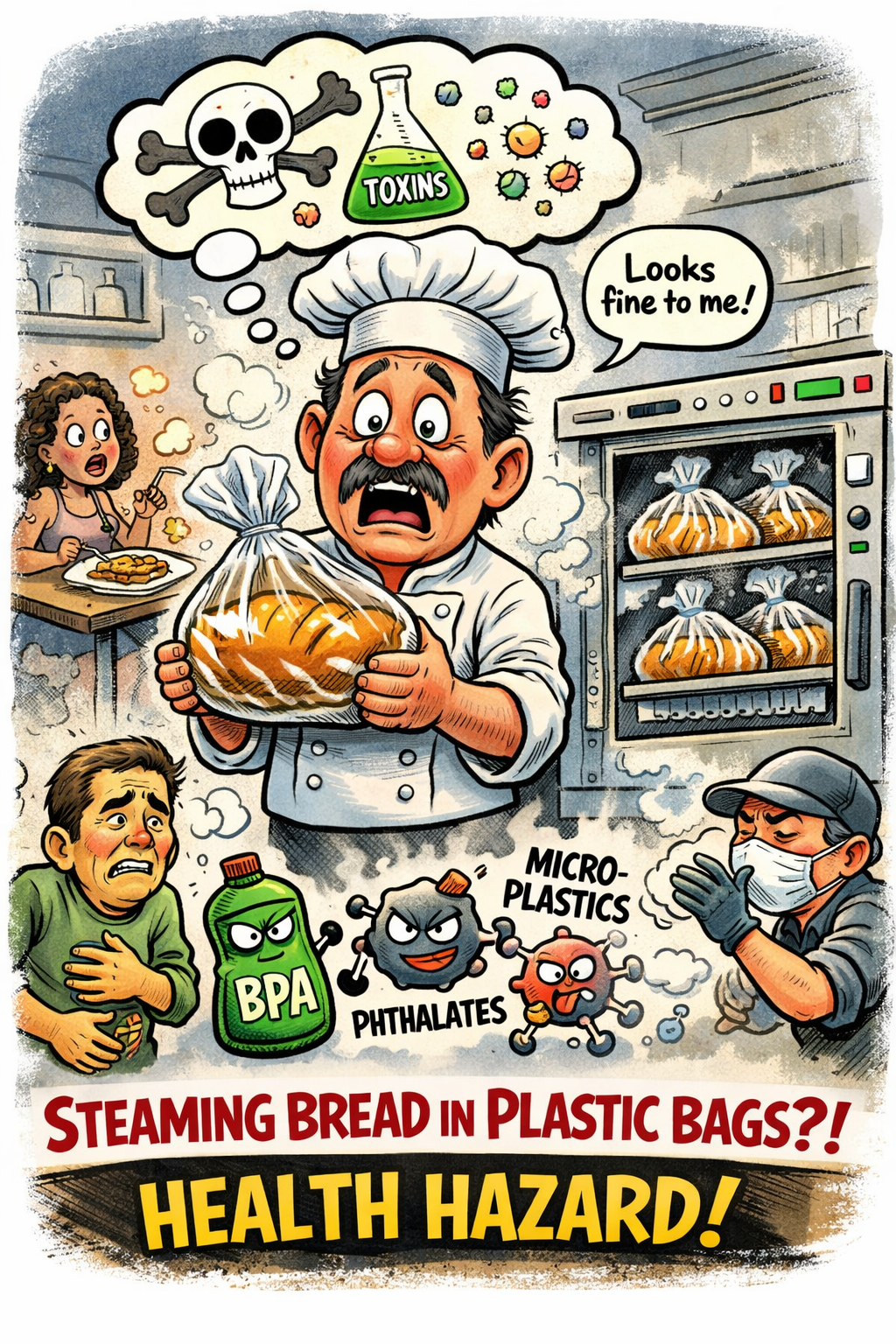
In many restaurants, cafeterias, and wholesale food outlets, a common practice has quietly become normalized: bread is placed directly into steamers while still inside the plastic bags it arrived in. The intention is convenience—keeping bread warm, soft, and ready for service. But what appears harmless on the surface raises serious health and safety concerns once heat, steam, and plastic interact.
Plastic packaging is made from petroleum-based polymers. These materials are designed primarily for storage and transport, not for prolonged exposure to high heat—especially moist heat. Steamers typically operate near boiling temperatures, creating an environment where heat and moisture accelerate chemical reactions. Under these conditions, plastic can begin to break down and release substances into the food it touches.
A common defense of this practice is the phrase “food-safe plastic.” This term is widely misunderstood. “Food-safe” generally means a material is safe for contact with food at room temperature or under limited conditions, such as short microwave exposure. It does not automatically mean the plastic is safe for extended steaming, repeated heating cycles, or commercial kitchen use. Most bread bags were never engineered, tested, or certified for those conditions.
When plastic is heated in steam, several risks emerge. Chemicals used to stabilize plastic, improve flexibility, or extend shelf life may migrate into the bread. At the same time, heat and moisture can cause microscopic plastic particles—known as microplastics—to shed into food. These particles are invisible to the naked eye and impossible to detect by taste or smell, yet they can be ingested repeatedly by customers.
The danger here is not an immediate poisoning event. It is chronic, cumulative exposure. Small amounts absorbed day after day may place stress on the liver, disrupt hormonal balance, and contribute to inflammation in the body. Vulnerable populations—including children, pregnant women, the elderly, and individuals with metabolic or liver conditions—may be especially sensitive to these exposures.
Kitchen staff are also affected. Employees who work around steamers for hours each day inhale warm, humid air that may contain plastic vapors or degraded polymer particles. In poorly ventilated kitchens, this becomes an occupational exposure issue rather than a one-time mistake.
Some assume that if this practice were truly dangerous, health departments would have already banned it. In reality, regulatory systems tend to focus on acute hazards—bacterial contamination, improper cooking temperatures, or immediate injury risks. Long-term, low-dose chemical exposure often remains in regulatory gray areas for years, even decades, before action is taken.
The good news is that this risk is entirely avoidable. Safer alternatives are simple and inexpensive: remove bread from plastic before steaming, use stainless-steel trays or baskets, wrap bread in parchment paper, or use dry warming cabinets designed specifically for bread. These methods protect customers, workers, and businesses alike.
In food service, convenience should never override health. If a material was not designed to be heated, it should not be heated. Small choices made daily in kitchens can either protect public health—or quietly undermine it over time.
Disclaimer ::: This article is for educational and informational purposes only. It is not intended to provide medical, legal, or regulatory advice, nor to diagnose, treat, or prevent any health condition. The information presented reflects general concerns related to food-handling practices and material safety based on publicly available knowledge and risk-management principles.
Practices, regulations, and safety standards may vary by jurisdiction, manufacturer specifications, and health department guidance. Readers—including restaurant owners, employees, and consumers—are encouraged to consult local health authorities, food safety professionals, and product manufacturers for specific compliance requirements and recommendations.
The author does not claim that any specific business, brand, or product is in violation of laws or regulations. Any references to potential risks are discussed in a general, precautionary context to promote awareness and encourage safer food-handling practices.
Contact
Questions? Reach out anytime, aloha style! via our Youtube Channel :) or Txt us :)
Phone
808-987-4941
Hawaii Web Pro LLC © 2025. All rights reserved.
Disclaimer ::: The content on this website is for informational and entertainment purposes only. All recipes, cooking tips, stories, and opinions reflect the personal experience of Chef Tony and his journey preparing food in Hawaii in his home kitchen since 2014 with a Lebanese twist. This site does not provide professional dietary, medical, or nutritional advice. Always consult a qualified professional for specific health or dietary concerns. By using this website, you acknowledge that Chef Tony and his website eatsmartHawaii.com are not liable for any decisions you make based on the content provided. All images, text, and videos are original creative material and may not be copied, reproduced, or redistributed without permission. This website is intended for general audiences and promotes safe, responsible, and smart cooking practices in Hawaii.
eatSmartHawaii.com and Chef Tony operate independently and are not affiliated with any company, organization, brand, or public agency. We are a solo, creator-owned platform.